At a point in time, it seems that most auto makers have lost the plot when it comes to design. Audi is a brand known for more clinical and technical forms (barring the ever-larger grille sizes), also followed this path. But it appears that there is a design renaissance currently underway at the German marque, the first signs of which we saw with the stunning Audi Concept C, back in early September.
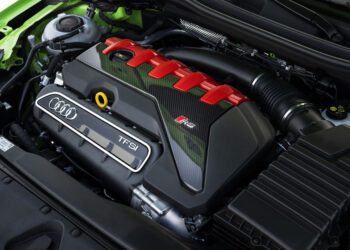
Audi is currently the sole manufacturer to offers a five-cylinder powerplant in a production model, even as tightening emissions rules and limited applications make its long-term future uncertain. Audi’s relationship with this unique engine layout began in 1976 with the debut of the five-cylinder in the Audi 100. Since then, the configuration has powered everything from Group B rally cars to Audi’s fearsome North American Trans-Am and IMSA programs, standing apart with its unmistakable and distinctive growling exhaust note and unusual firing rhythm.

Audi’s latest apprentice-built project appears to build on that. Fourteen trainees in Neckarsulm took the current RS3, ignored convention, and created the Audi GT50, a one-off machine created to mark 50 years of Audi’s iconic five-cylinder engine. What you’re looking at here is not a styling exercise, but a deliberate statement about heritage, relevance, and what still matters when everything around it points toward electrification.
50 years after Audi’s first five-cylinder production car, the GT50 arrives as a tribute to the machines Audi nearly used to dominate U.S. racing in the 1980s. The apprentices have done far more than apply a body kit, having reworked the RS3 from the ground up, overhauling the body, the interior, and even grafting on an Audi 80 onto the roof to achieve the right proportions and period-correct stance.

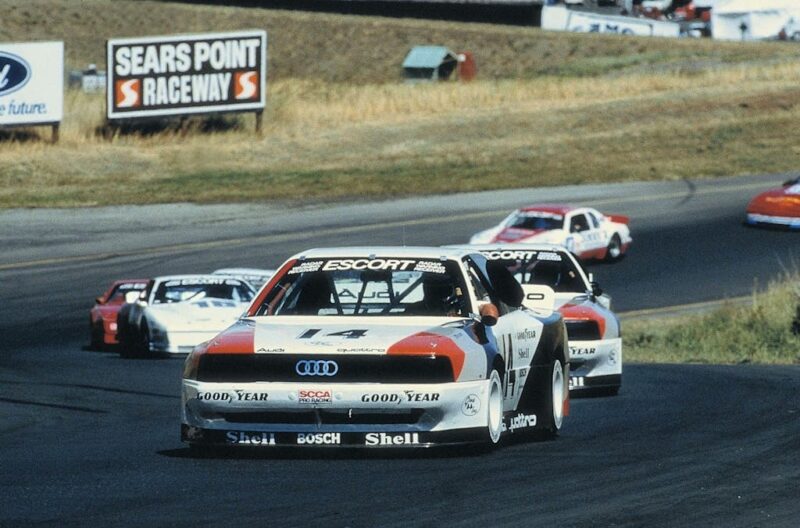
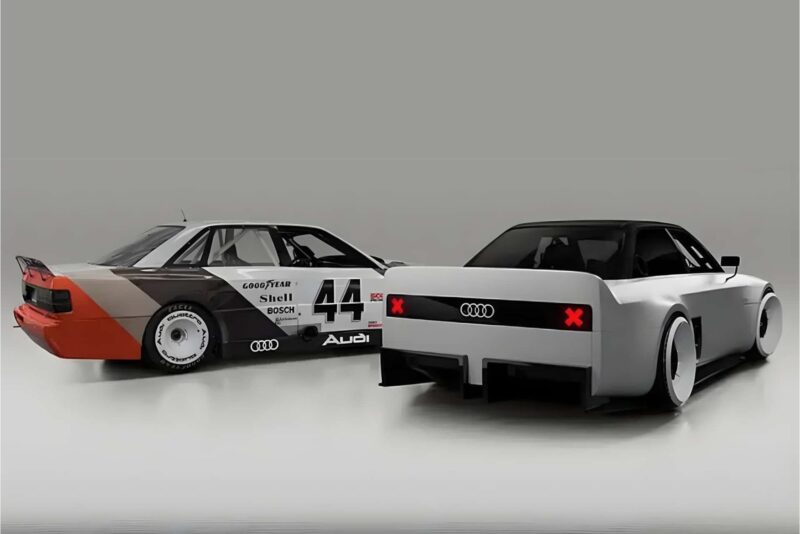
The visual inspiration for the GT50 appears to come from the 1989 Audi 90 Quattro IMSA GTO, a car that won seven of nine races that season. You see that design lineage in the GT50’s aggressive chin spoiler, wide guards with aero-disc wheels, and body-exit exhaust. The wraparound ducktail spoiler takes cues from the 1988 Audi 200 Trans-Am car, reinforcing the North American racing narrative. Inside, the RS3’s production interior has been stripped out entirely, and in its place, you have a full roll cage, racing seats, and track-focused hardware.
Mechanically, Audi made a conscious decision to leave the RS3’s turbocharged 2.5-liter five-cylinder untouched. Output stays at 400 horsepower and 369 pound-feet of torque, and the identical 1-2-4-5-3 firing order ensures it deliveimsars the same sound signature that defined its racing predecessors.
Audi, like many others, is expected to wind down production of the five-cylinder RS3 in the coming years. As previously mentioned, emissions pressure and niche positioning make the engine increasingly difficult to justify in a modern lineup. But the key takeaway here is this stunning GT50, which not only celebrates five decades of five-cylinder lineage at Audi, but it could also hint at the brand’s future design direction.
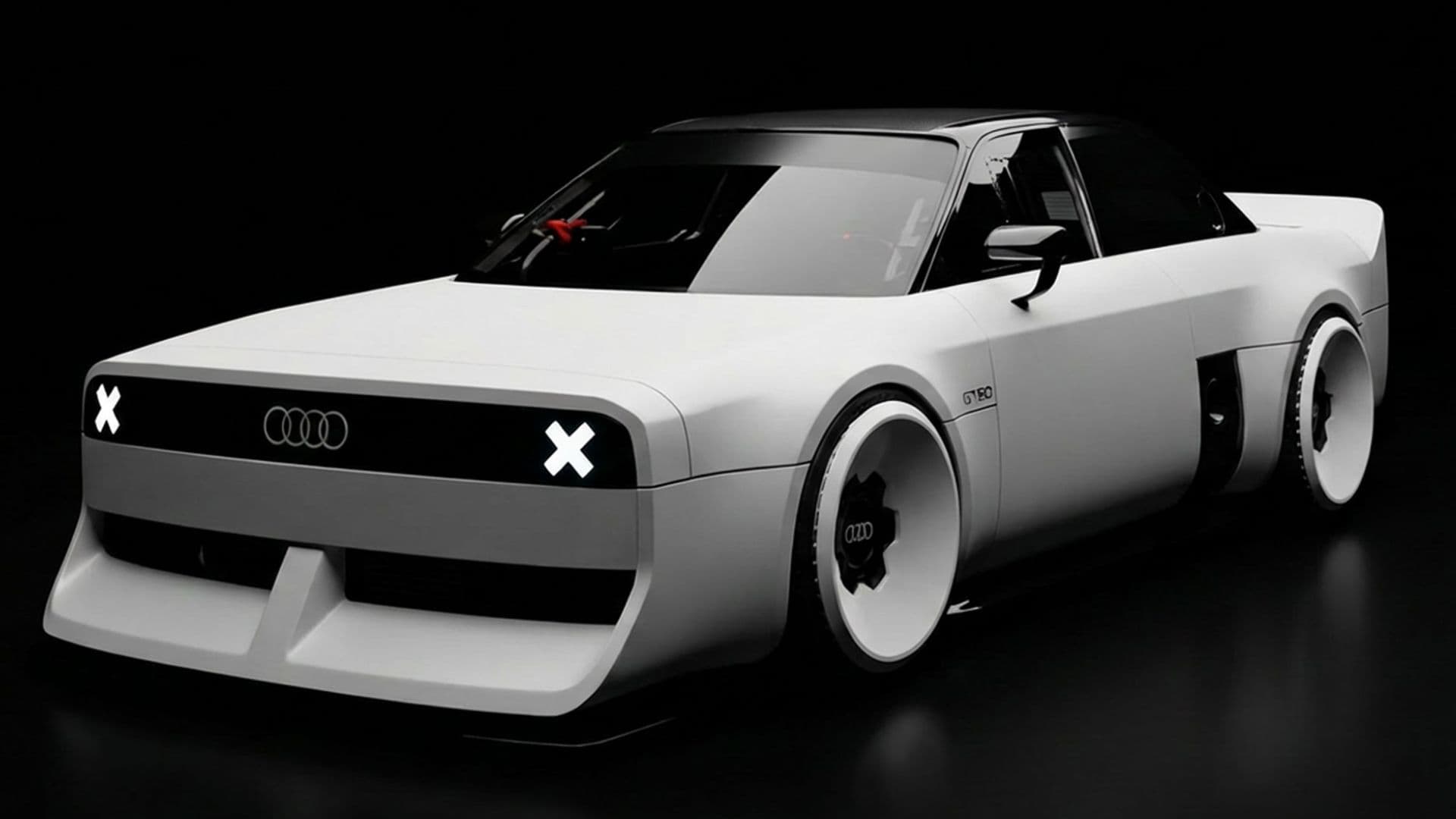


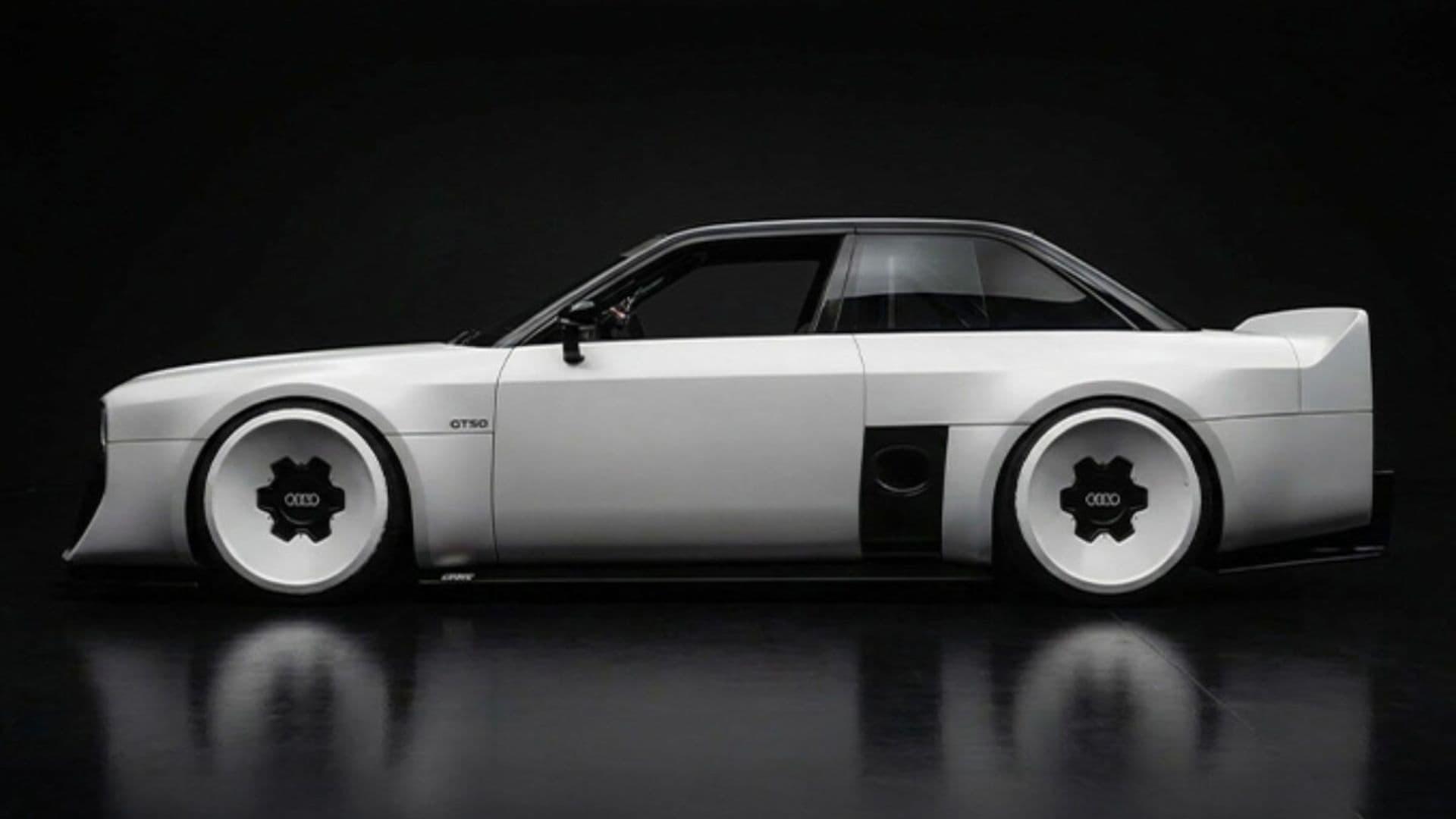
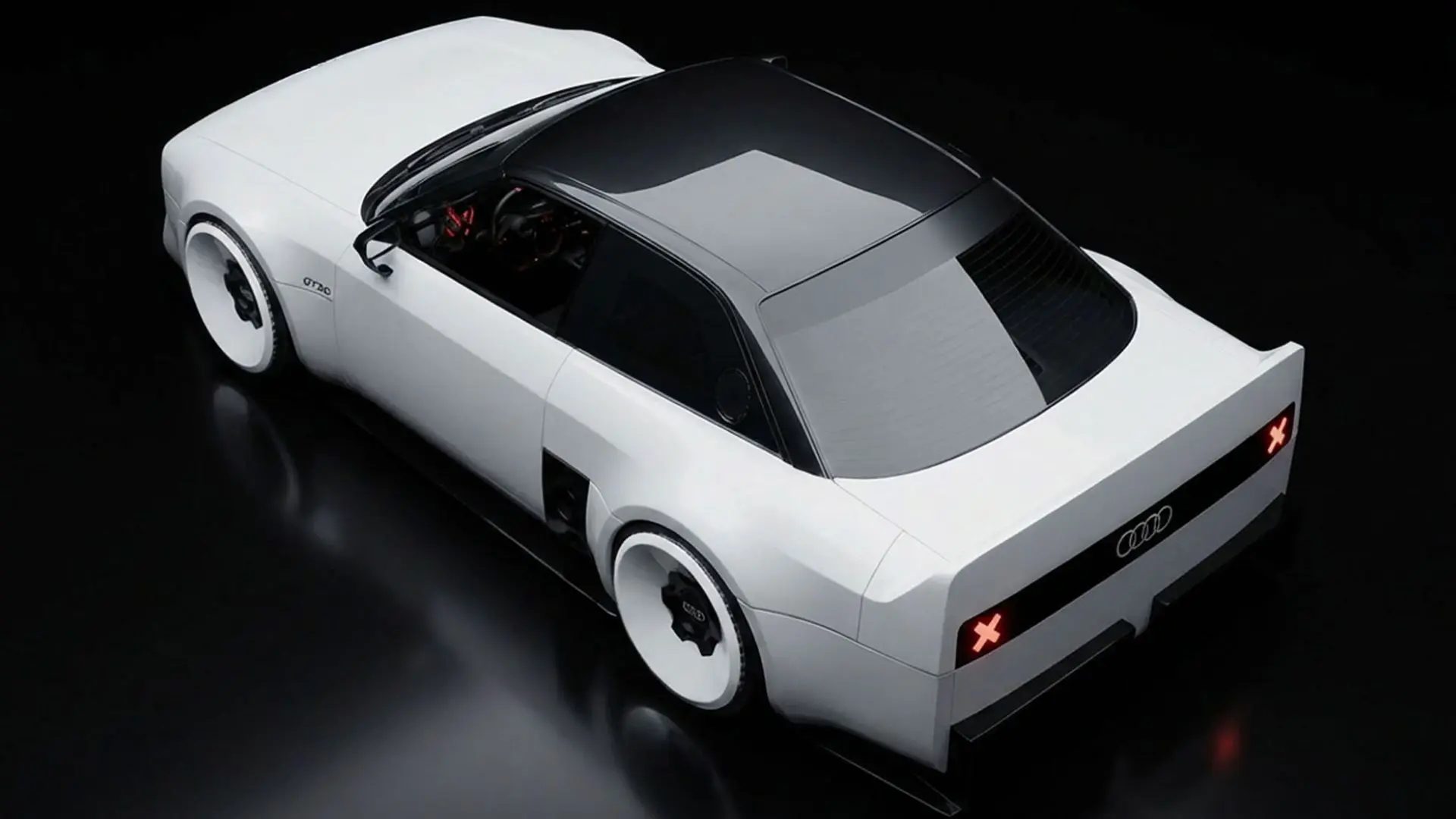

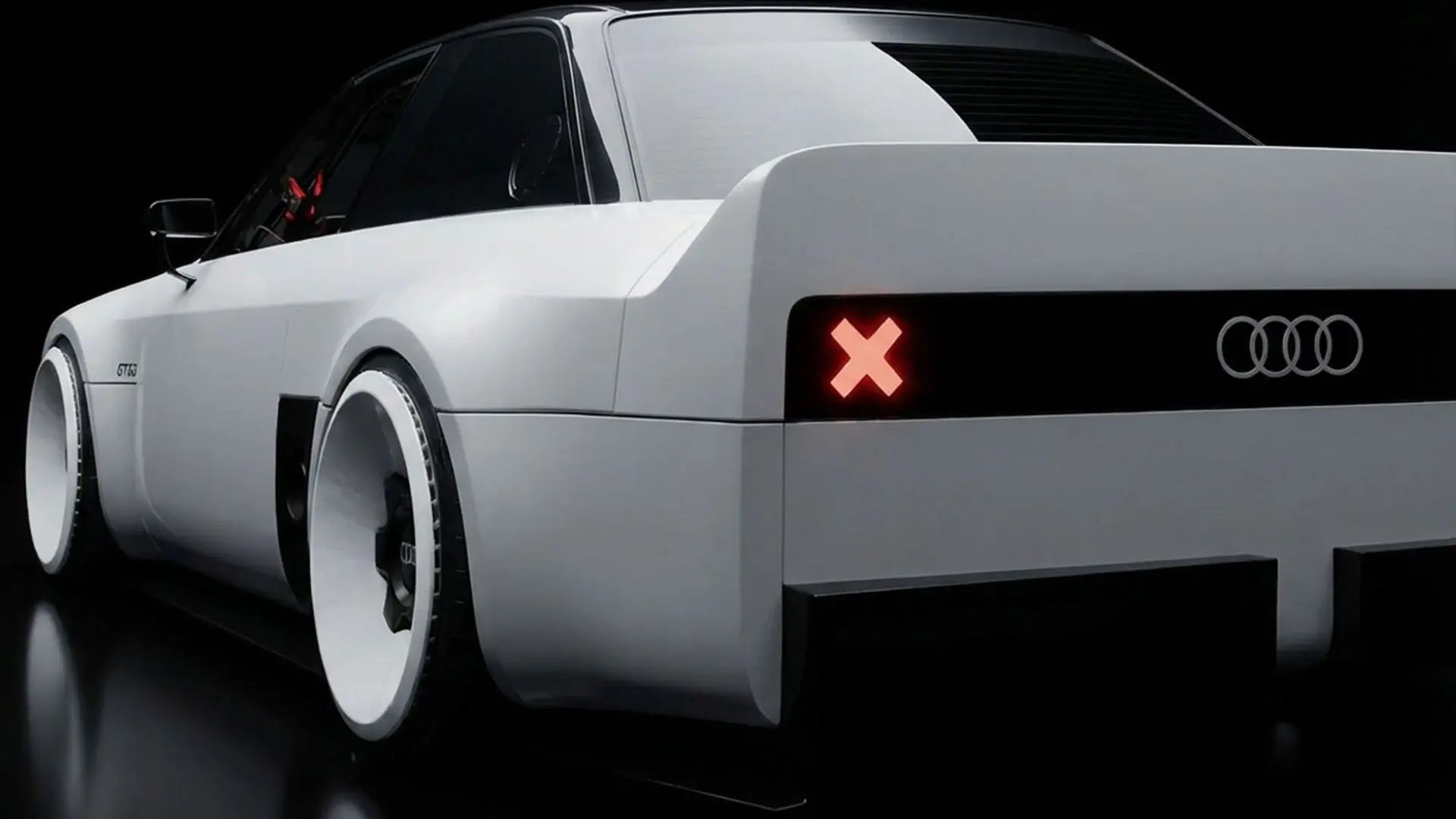
Image Source: Audi