Both These Heritage-Inspired RWD Manual 911s Are Collectible, But One Is A Forbidden Fruit
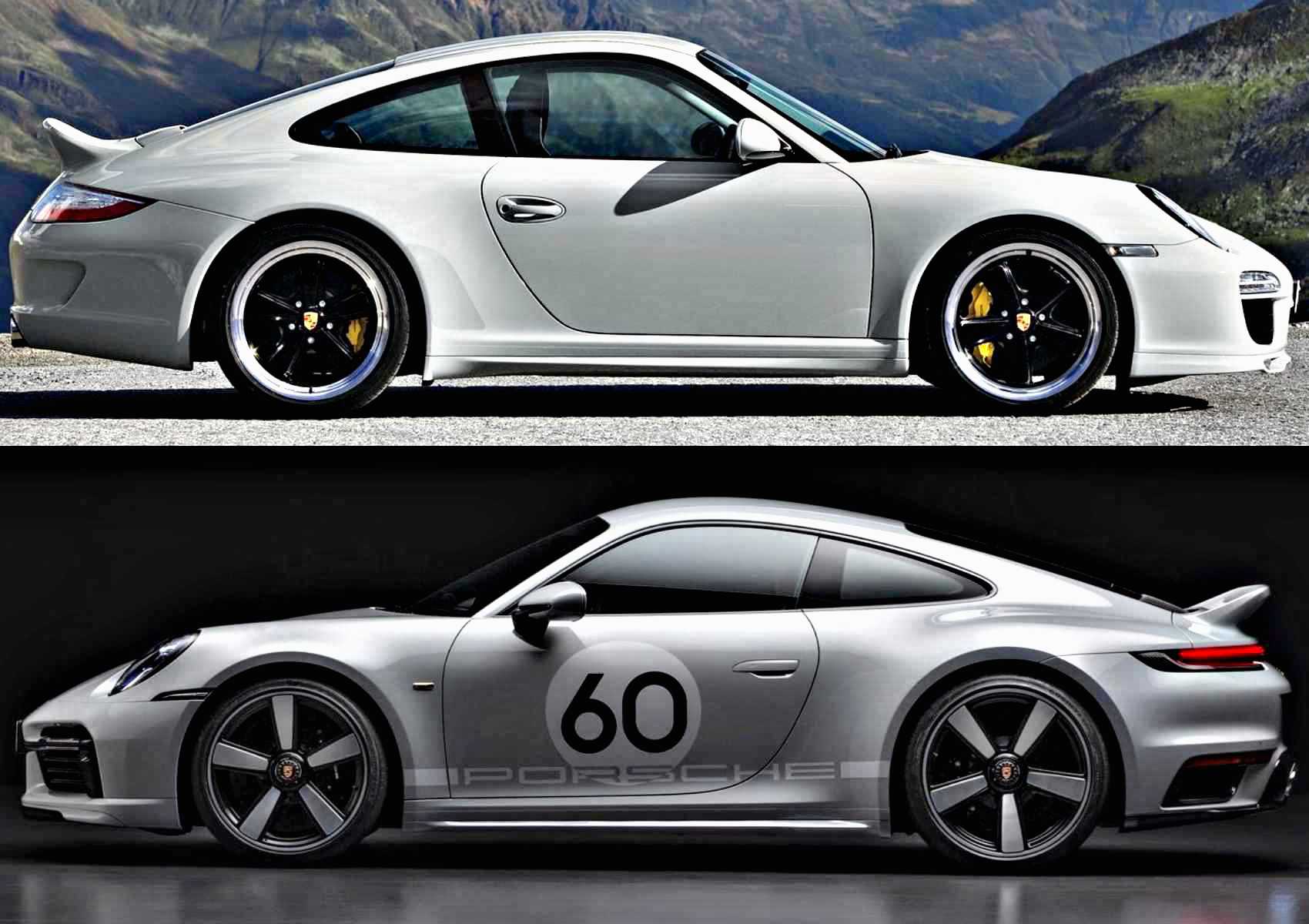
When it comes to rare and collectible Porsches, the 911 Sport Classic name carries immense weight. Both the 997 and 992 variants pay homage to the legendary 1973 Carrera RS 2.7, mixing heritage styling with modern performance.
Unveiled in 2009, the 997 Sport Classic is a hand-built celebration of analog purity and Porsche heritage. 13 years later, in 2022, the nameplate was revived once again, this time for the 992 Sport Classic. Faster, wider, more high-tech, it too is rooted in that same retro-inspired ethos.
While both were built by Porsche Exclusive Manufaktur and share many similarities beyond the Sport Classic moniker, they offer distinctly different experiences. To see how the two sports cars stack up against each other, we dive deep into their performance, design, craftsmanship, and collectability to help you decide which one deserves a spot in your garage.
Porsche 997 Sport Classic vs 992 Sport Classic: Performance
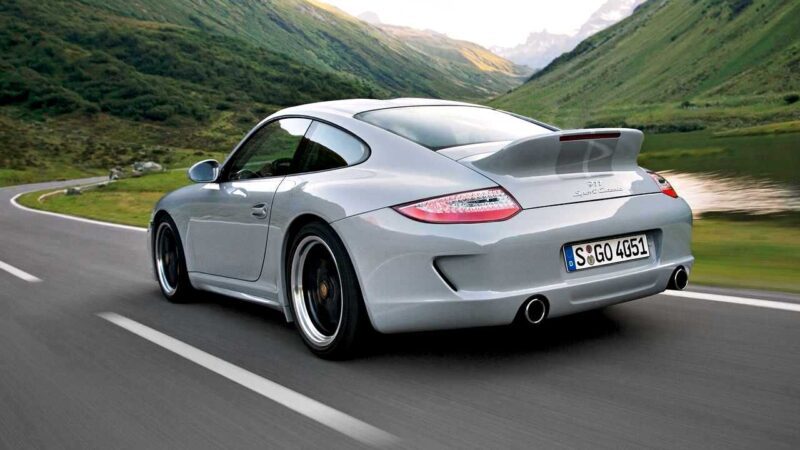
Let’s kick things off with performance. The 997 Sport Classic is based on the 997.2 Carrera S, and at the heart of every Sport Classic variant lies a naturally aspirated 3.8-liter flat-six unit, enhanced by Porsche’s Powerkit (23 more than the standard Carrera S) to produce 408 horsepower and 310 pound-feet of torque. It was one of the final Porsche 911s with Mezger roots.
Back in 2009, manuals were on life support. The PDK had taken over. But Porsche gave the 997 Sport Classic a six-speed manual anyway. Tipping the scales at just over 3,000 pounds, the 997 Sport Classic is known to deliver a distinctly mechanical feel through its hydraulic steering (this was the last 911 generation to have it), compact chassis.
By contrast, the 992 Sport Classic draws its power from a 3.8-liter twin-turbo flat-six, lifted from the 911 Turbo but detuned to 542 horsepower and 442 pound-feet of torque. Porsche dropped the PDK and all-wheel drive, offering a rear-drive, manual-only Turbo model for the first time. The seven-speed stick is a modern unit, and just like the 997, it too sends power exclusively to the rear wheels.

When it comes to handling and dynamics, the 997 Sport Classic rides on a lowered PASM suspension with ceramic brakes and a mechanical, limited-slip differential. It is old-school in all the right ways, with a shorter wheelbase, rear-biased balance, and that hydraulic steering that should offer more feedback.
The 992 Sport Classic is the most agile Turbo yet. Paired with rear-axle steering, torque-vectoring, PDCC, and active suspension, it should feel nimble despite weighing 3,519 pounds. Also, with all that torque going to the rear wheels, the 992 Sport Classic will bite if provoked. That duality, part refined GT, part raw sports car, is what makes it so compelling.
So on paper then, the 992 is quicker, but on tighter canyon roads, or out on the race track, the narrower, lighter, and more rev-happy 997 should offer more thrills. Yes, you need to work harder for the reward, but the payoff is intimacy and tactility.
Porsche 997 Sport Classic vs 992 Sport Classic Specs
| Specification | 997 Sport Classic (2010) | 992 Sport Classic (2022) |
| Engine | 3.8L NA Flat-6 (Powerkit) | 3.8L Twin-Turbo Flat-6 |
| Power | 408 hp @ 7,300 RPM | 542 hp @ 6,750 RPM |
| Torque | 310 lb-ft @ 4,200 RPM | 442 lb-ft @ 2,000–6,000 RPM |
| Transmission | 6-speed manual (short-shift) | 7-speed manual |
| Drivetrain | RWD | RWD |
| Curb Weight | ~3,075 lbs | ~3,519 lbs |
| 0–60 mph | 4.4 seconds | 3.7 seconds |
| Top Speed | 190 mph | 196 mph |
Exterior Design
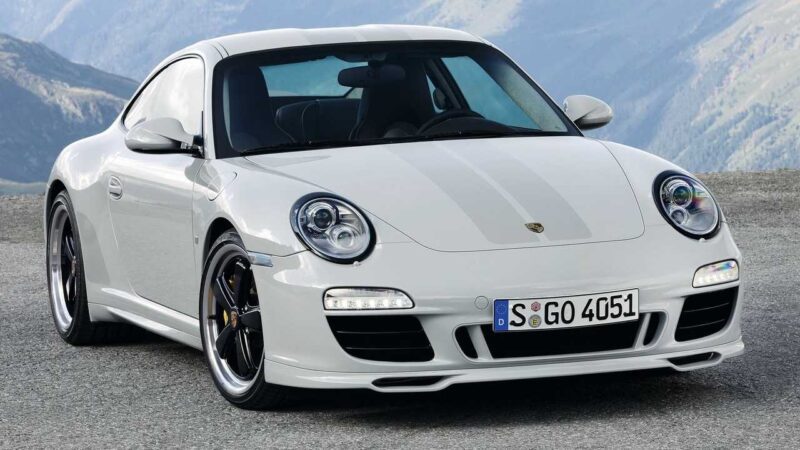
With low-slung silhouettes, flared arches, and ducktail spoilers, both cars evoke the look of the aforementioned 1973 Porsche RS 2.7. Not only was it the fastest road car in the world at the time, but also the first to wear a ducktail spoiler, and the blueprint for every future 911 RS. The 997 Sport Classic is instantly recognizable by its unique Sport Classic Gray paint, exclusive to this model, and unavailable elsewhere. The car’s double-bubble roof, inspired by the 1989 Panamericana concept, adds both style and function, creating extra headroom to accommodate a helmet and a signature profile. The rear sports a distinctive ducktail spoiler that recalls the original Carrera RS 2.7’s iconic design. Its 19-inch Fuchs-style wheels were hand-painted and perfectly sized for the 997 Turbo body shell.
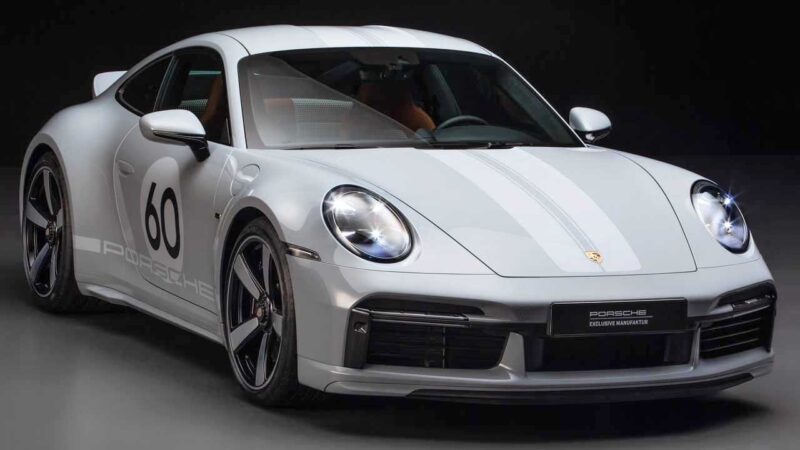
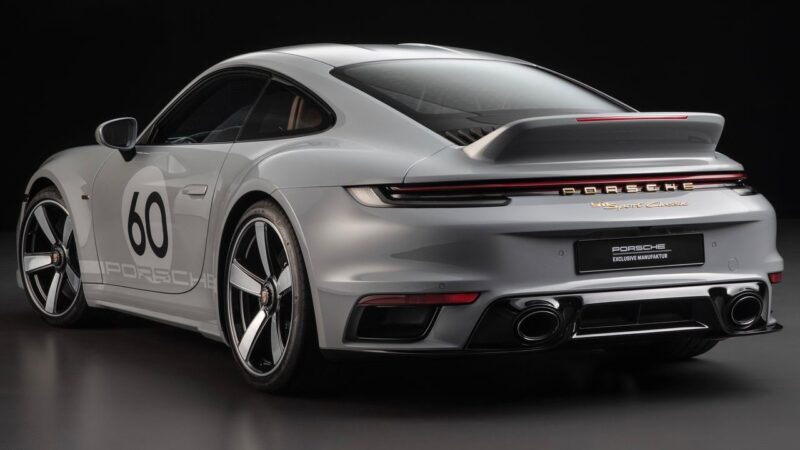
By contrast, the 992 Sport Classic is a bold reinterpretation of the 992 Turbo chassis. Finished in Sport Gray Metallic or Olive Green Metallic, it employs extensive lightweight carbon fiber on the roof and hood to shed weight. It features wider rear arches compared to the 997 and continues to feature the signature ducktail spoiler. However, the center-lock Fuchs, while paying homage to the classic look, now ride on staggered 20/21 diameter wheels, wrapped around modern ceramic brakes. A final highlight across both models is the presence of pinstripes that run across the length of the bodywork.
Interior Design
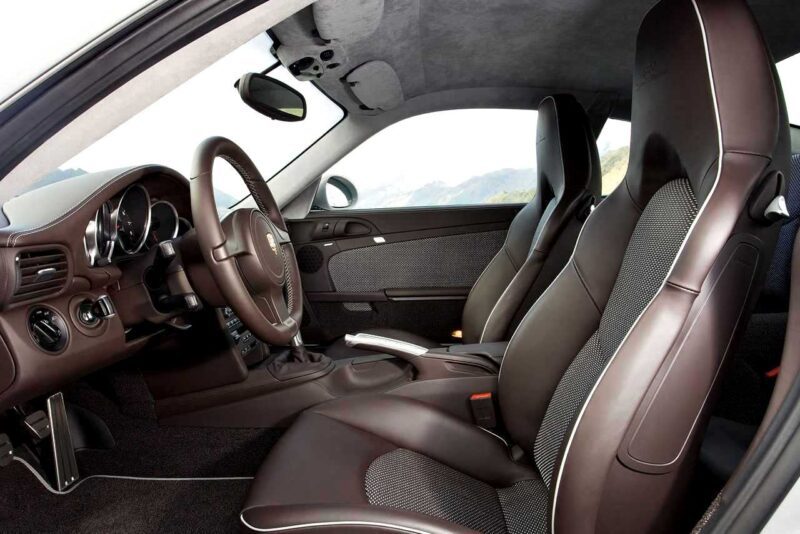
Inside, the 997’s espresso brown leather interior is lavish, with every surface wrapped in fine materials, and even the door pulls and air vents are leather-covered. Woven fabric inserts, aluminum trim details, and proper physical buttons should offer a tactile, vintage feel not seen on any other 997 variant. It is a bespoke and exquisitely finished cabin, built for collectors who appreciate traditional luxury and analog purity.
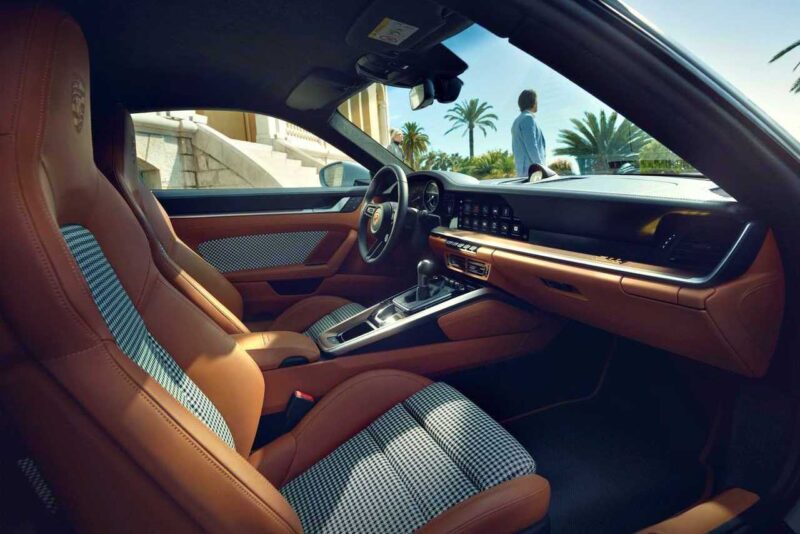
The 992 reinterprets that luxury for the modern era. Heritage-inspired details, like the 356-inspired tachometer and retro tartan seats, are paired with digital displays, adaptive cruise, and high-end Burmester audio. The seating position and visibility are typical of 911, but the experience should offer a lot more refinement and convenience with those modern touches.
Collectibility & Price
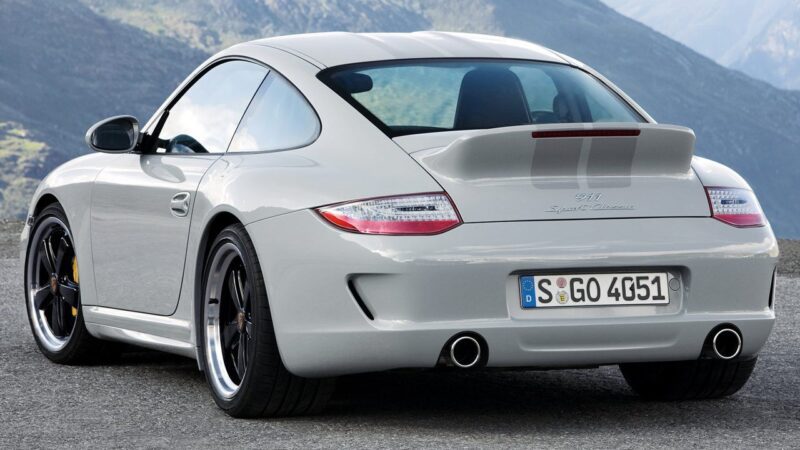
The 997 Sport Classic was the first Porsche ever designed from the ground up by Porsche Exclusive Manufaktur, marking a new era of limited-run models. It set a precedent for future projects, including the 911 Speedster and various Heritage Design Editions. Only 250 were built, none of which were destined for North America, hence: forbidden fruit. Each car has an individually numbered plaque and is finished in a unique spec that is not replicated elsewhere in Porsche’s history.
To put the 997 Sport Classic’s rarity in perspective: the 991 50th Anniversary edition had nearly 2,000 units; the 911R had 991; and the 992 Sport Classic, while the direct successor, was produced across 1,250 units, five times more than the 997. Given that exclusivity, it’s no surprise that valuations are high. The 997 Sport. While not available stateside, the 997 Sport Classic, when new, sold for the equivalent of $200,000. Today, good examples trade hands for well over double that. One example that was imported to the U.S., sold at auction for over $600,000. In the long run, the 997 should age more gracefully, and low-mileage examples have more potential to further go up in value.
While more widely produced, the 992 Sport Classic still remains highly desirable. It stands out as the last manual, turbo-based 911 before the electrification rollout with the 992. It also carries the Exclusive Manufaktur tag and is already commanding above-MSRP prices on the secondary market. The 992 Sport Classic launched at $274,750 when new. Current market values hover around $500,000, with top sales nearing $764,000.
997 Vs. 992: 911 Sport Classic Price & Production Overview
| Metric | 997 Sport Classic | 992 Sport Classic |
| Production Years | 2009 to 2010 | 2022 to 2023 |
| Units Built | 250 | 1,250 |
| North America Availability | 0 (only via imports) | Yes (full allocation) |
| Original MSRP | ~$200,000 | $274,750 |
| Avg. Market Value (2025) | $429,448 | $500,610 |
| Highest Recorded Sale | $643,000 | $764,000 |
| Value Trend | Steady appreciation | Rising sharply |
Final Thoughts: Which One Belongs In Your Garage?
The 997 Sport Classic remains a trendsetter and was the one that introduced the world to Porsche Exclusive Manufaktur’s full capabilities, launched a wave of heritage-inspired PTS colors, and provided an analog driving experience missing in modern 911s. Today, it is a unicorn among unicorns, rare, beautiful, and hard to replace.
The 992 Sport Classic adds a modern twist to the Sport Classic formula by adding refinement and usability without losing the plot. With 992 Turbo S levels of performance, rear-drive drama, and everyday polish, it might be the most complete 911 in the lineup, and most will be glad that Porsche added a stick at all. Where it loses out is exclusivity, but if a limited-run all-rounder is what you seek, you can’t go wrong with the 992 Sport Classic. There’s one owner in Scotland who owns both versions of the 911 Sport Classic, and there’s no better way to get a real-world perspective on how the two stack up in the real world.
Images Source: Porsche